
Fashion moodboard: how to turn your references into a photography brief
How to build a fashion moodboard and turn it into a brief for your photo shoot: what to gather, what to borrow (and what not to) and how to share it.
Read article →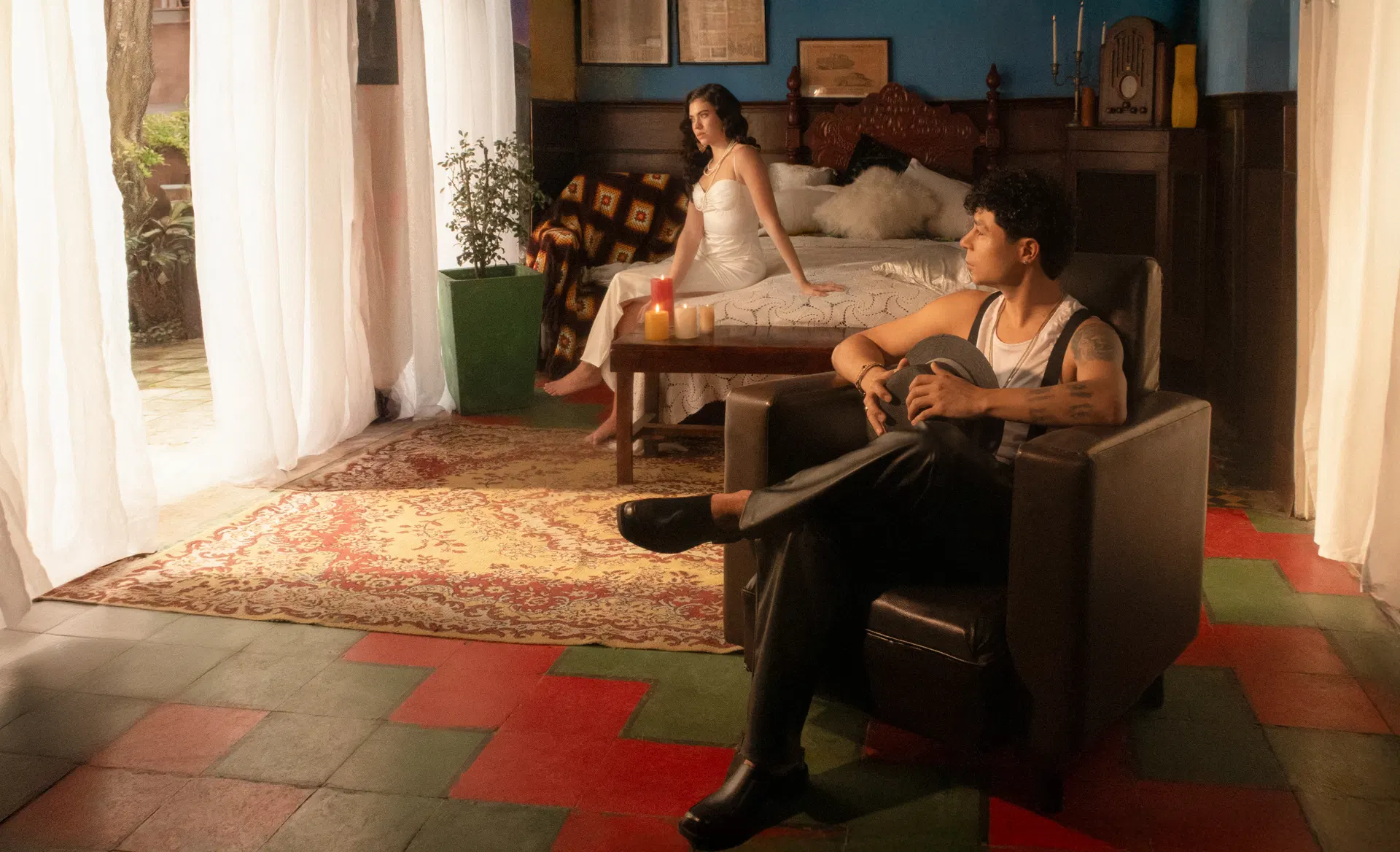

An editorial does not just show a brand.
It opens a story, an atmosphere, and a desire.
A collection of questions in the shape of images.
There are projects I do not know exactly how to explain before making them; I only know that something calls me... an idea that does not fit into any other category but simply needs to exist.
That is what this collection, which I called My Pandora Box, is made of because, like her, it keeps things that should not be together and yet need each other: solitude and presence, what is said with the body and what is kept silent with the gaze, the exact moment before something changes.
An Editorial That Speaks Without Words
The Weight of Perfection was not just a photo shoot. It was a statement, a visual critique of the aesthetic ideal that suffocates many brands and people. From the beginning, the intention was clear: to create a three-act narrative that showed how perfection —when imposed as an obligation— ceases to be an achievement and becomes a burden.
Everything is in its place. The body shines, the face is impeccable, the presence commands.
It's the image the world expects: clean, successful, without cracks. But between sparkles and reflections, something begins to feel fragile. Sometimes, perfection also weighs.
Control begins to give way. The skin no longer reflects the same, gestures tense up, the shine fades in some areas.
The character still maintains the posture, but the effort shows. Something inside pulses strong, wanting to come out.
There's no more polish or shine. Only the body remains, tired. The gesture, honest. Beauty is still there, but now it's raw, real, lived.
The character has stopped holding an image to simply be. The end of perfection is, perhaps, the beginning of truth.
Everything is in its place. The body shines, the face is impeccable, the presence commands.
It's the image the world expects: clean, successful, without cracks. But between sparkles and reflections, something begins to feel fragile. Sometimes, perfection also weighs.
Control begins to give way. The skin no longer reflects the same, gestures tense up, the shine fades in some areas.
The character still maintains the posture, but the effort shows. Something inside pulses strong, wanting to come out.
There's no more polish or shine. Only the body remains, tired. The gesture, honest. Beauty is still there, but now it's raw, real, lived.
The character has stopped holding an image to simply be. The end of perfection is, perhaps, the beginning of truth.
Three moments, one face. This series of portraits condenses the character's internal journey: from the rigidity of perfection, through the tension of sustaining it, to the vulnerable calm of collapse.
Each look holds a stage, each gesture tells what is not always shown.
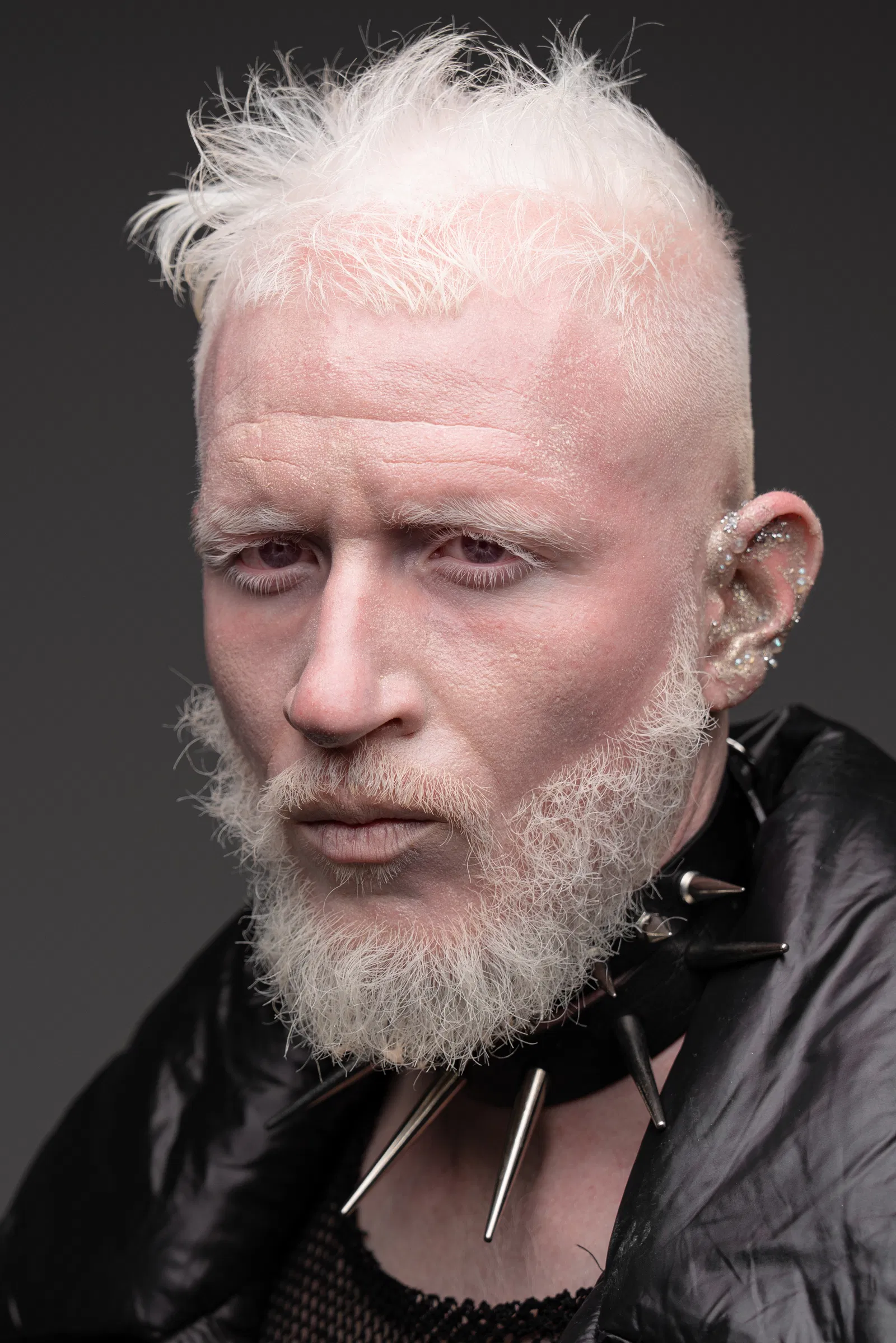
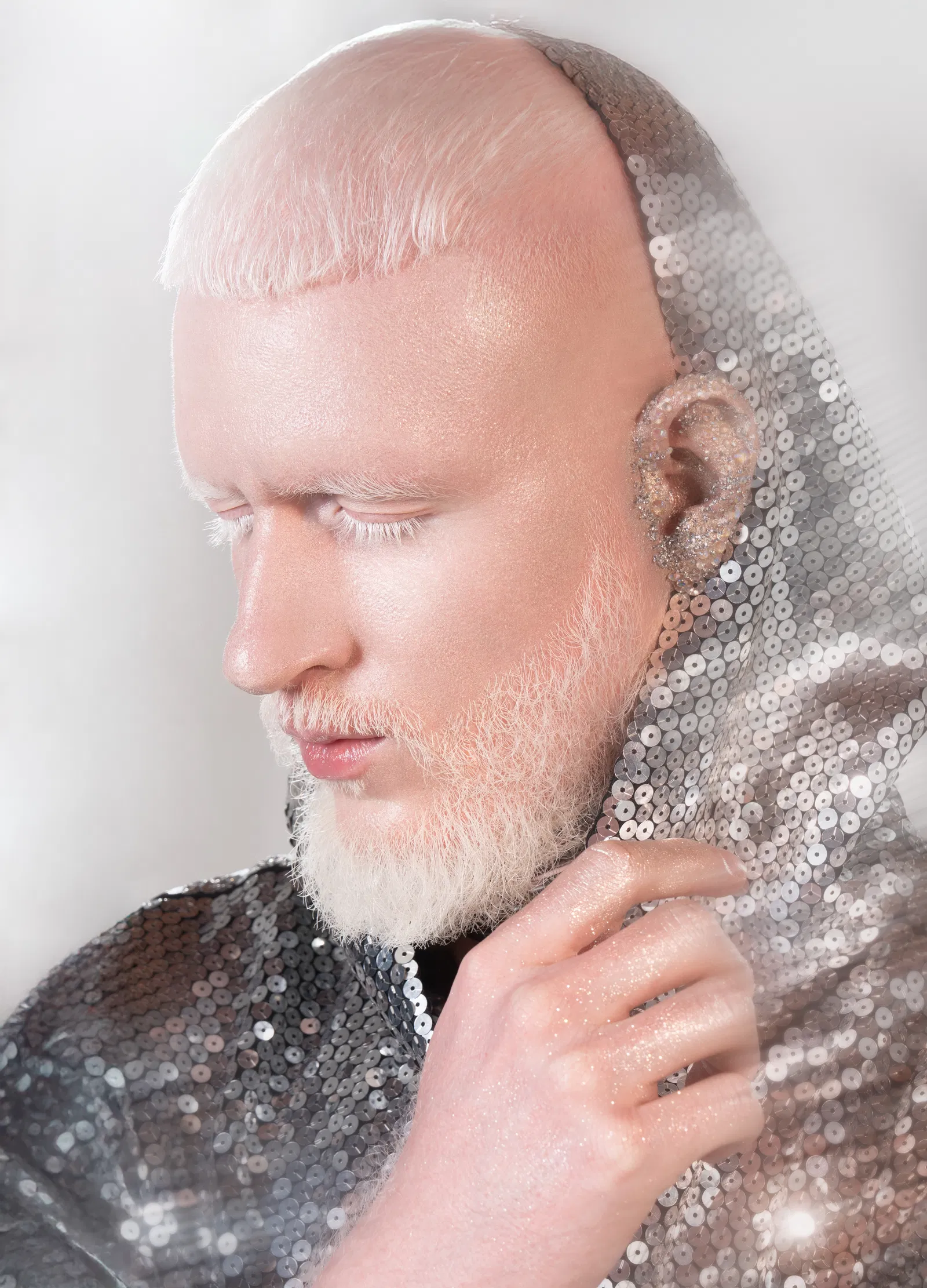
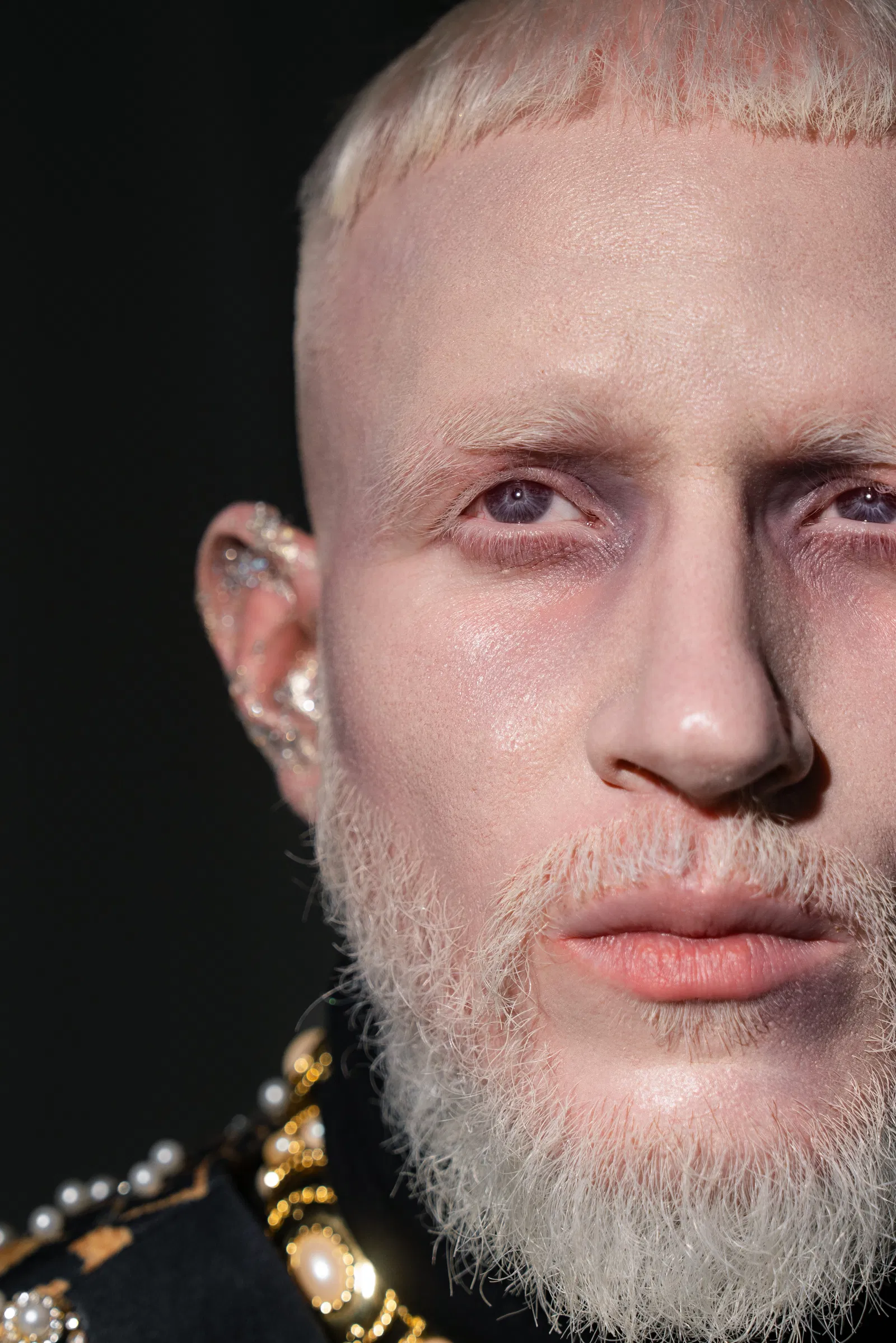
We start from a question: How much does it cost to maintain an impeccable image?
The session narrates the visual journey of a character trapped in the expectation of shine, neatness, and success. Through wardrobe, lighting, and expression changes, a transformation is revealed that is not only aesthetic, but emotional.
This visual storytelling is a clear sample of the kind of work I do with each brand: it is not only about what is seen, but about what is felt and communicated.
Because there are brands and artists that have already crossed the line of "looking professional" and now need something more: to position themselves as references.
And references do not only show what they do... they show how they think. A conceptual image is not a creative luxury. It is the way you tell your audience: we have depth, we have judgment, we are not decoration.
For a brand that wants to go beyond the product, this type of editorial builds the emotional universe that justifies premium prices without needing to explain them.
Perfect doesn't always sell. Real does.
How to build a fashion moodboard and turn it into a brief for your photo shoot: what to gather, what to borrow (and what not to) and how to share it.
Read article →What editorial photography is, how it differs from commercial work and lookbooks, and how I build it around a concept: the case of “The Weight of Perfection”.
Read article →